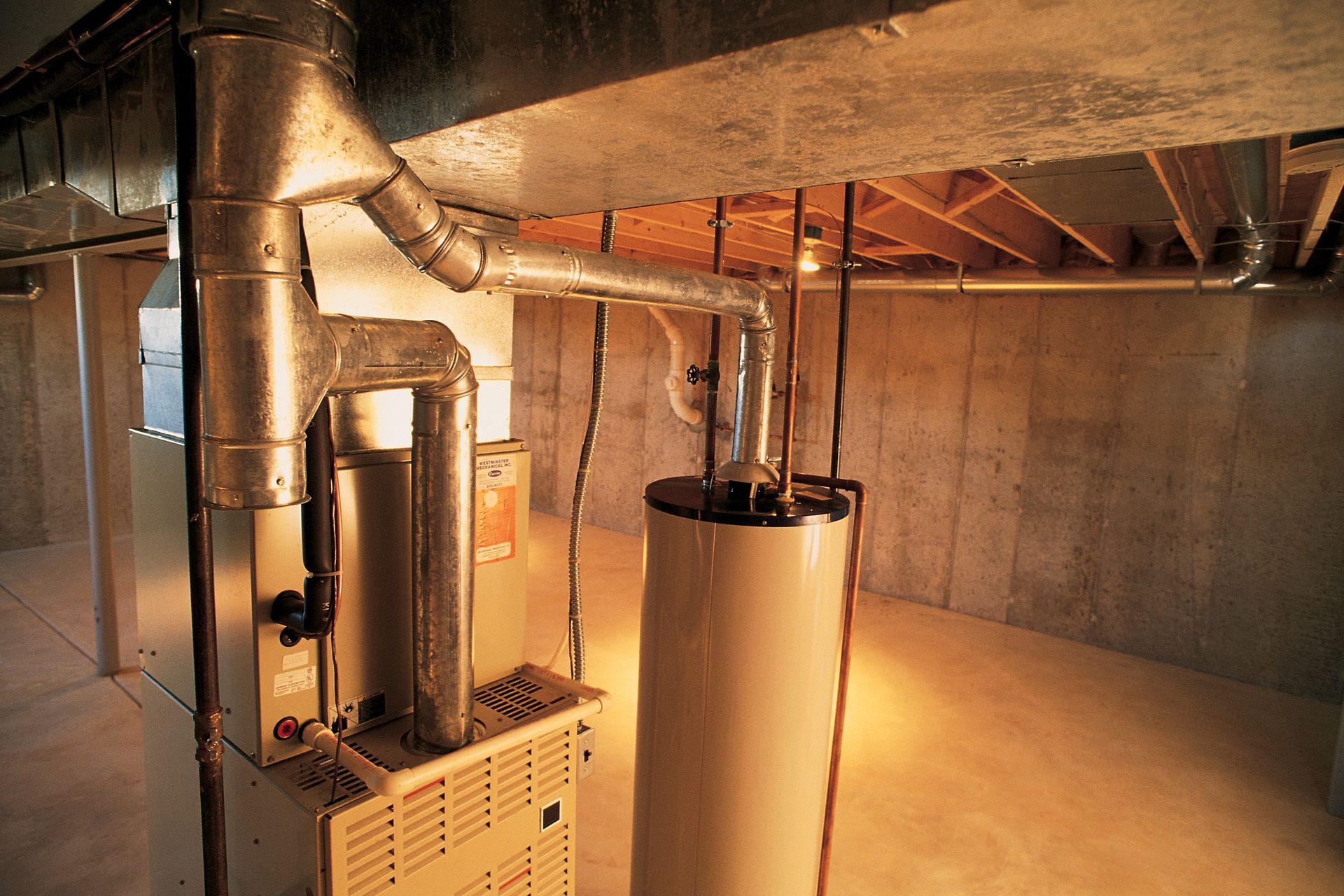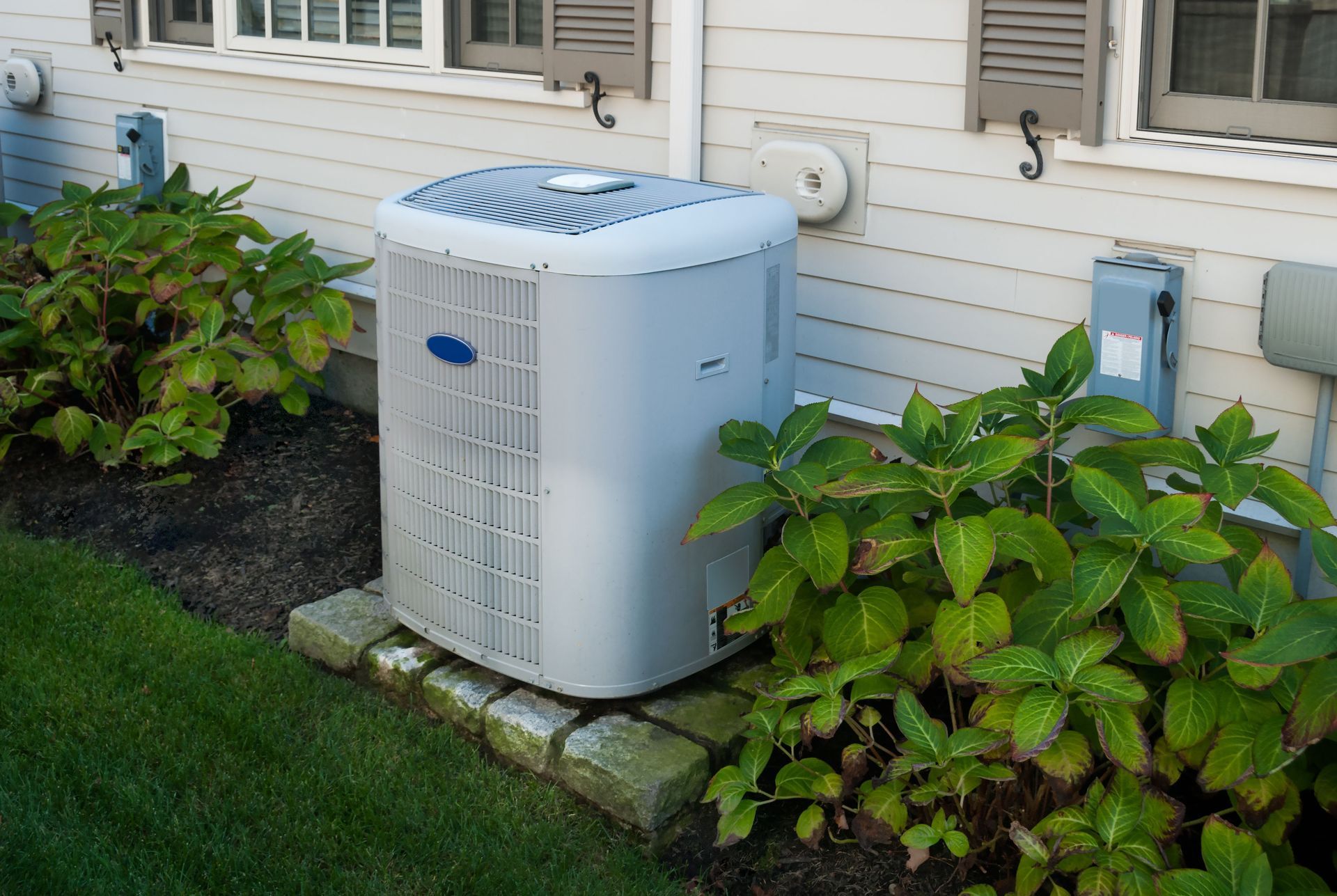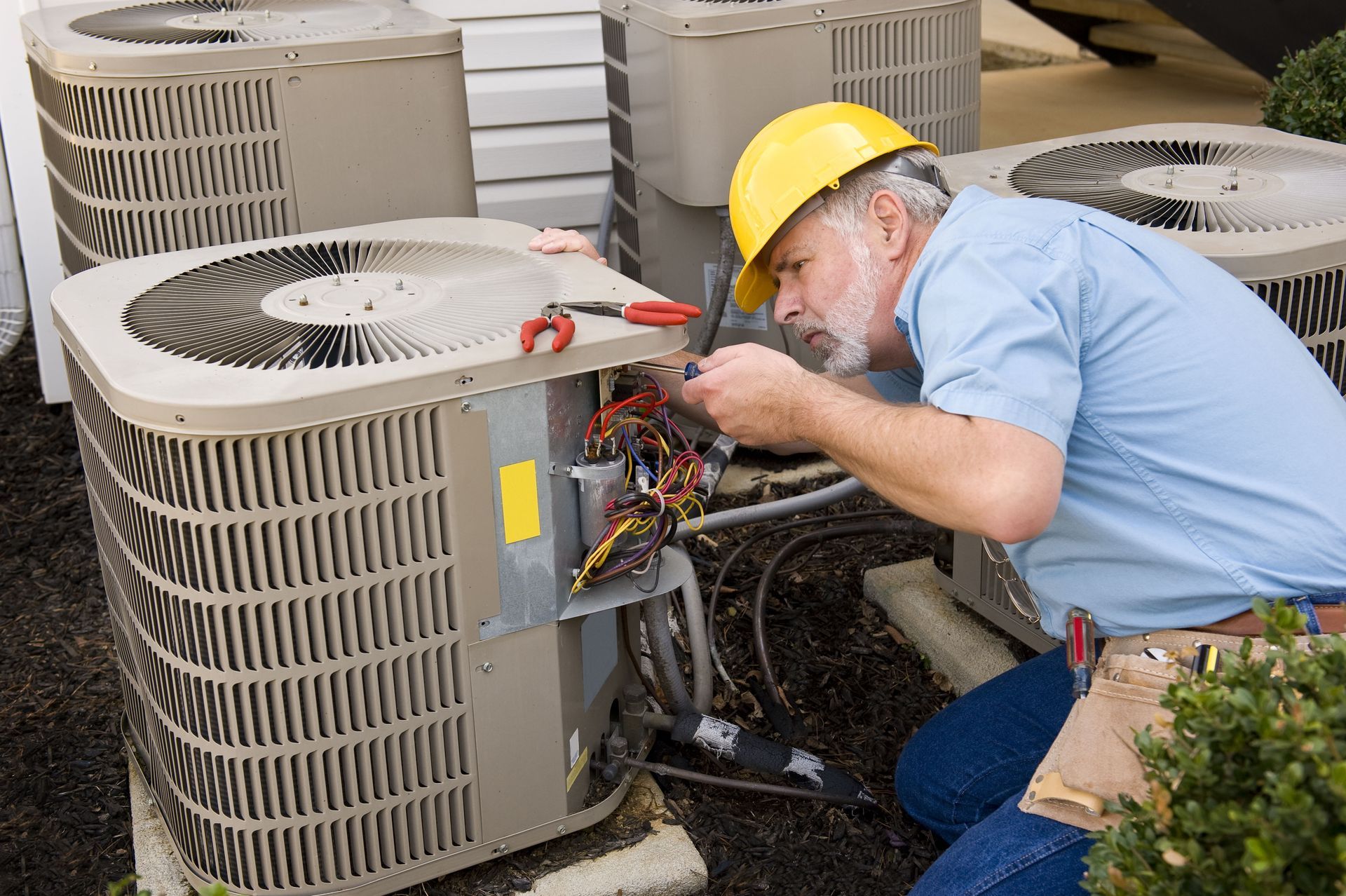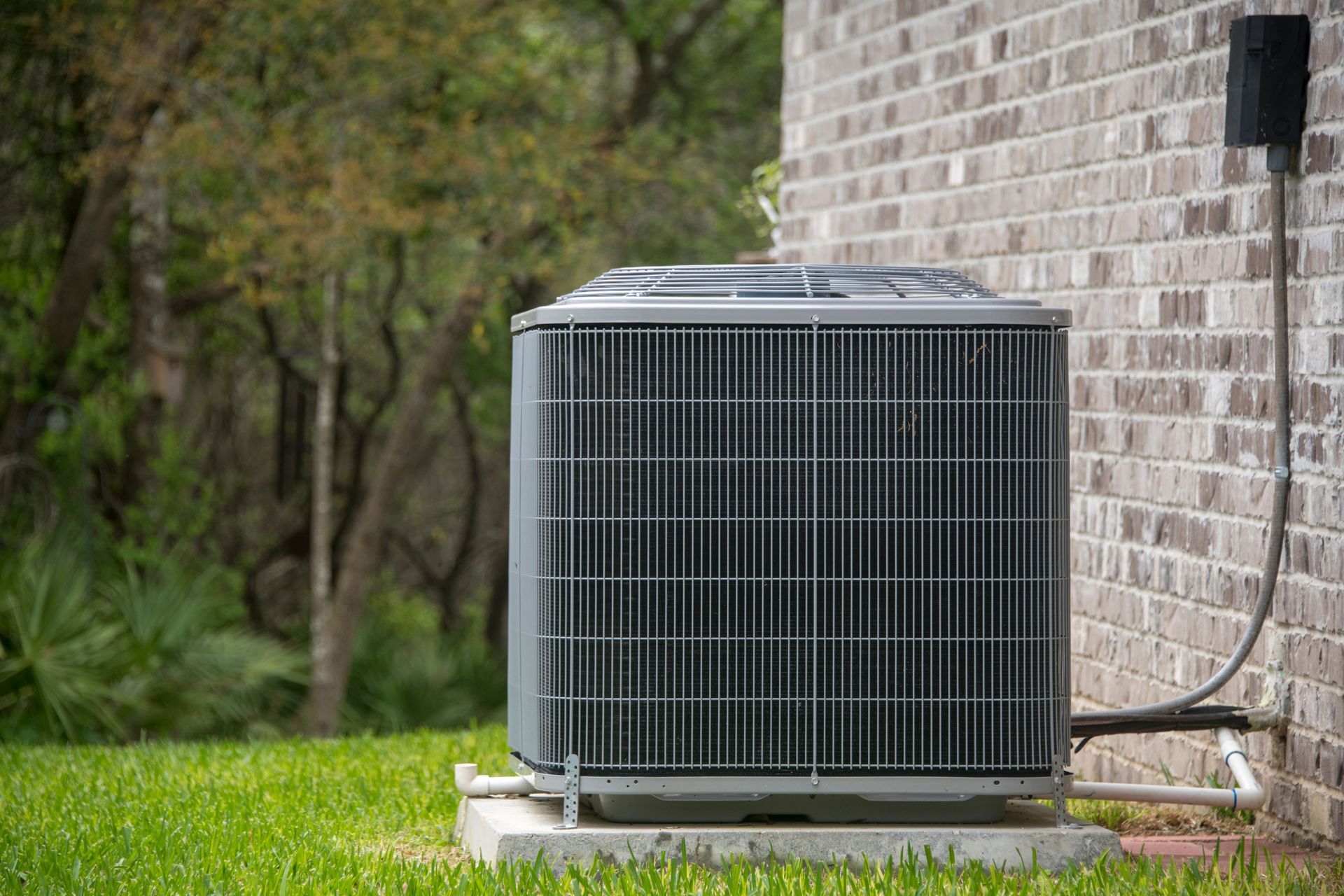
Heating, Ventilation, and Air Conditioning (HVAC) systems are critical for maintaining comfort in our homes and workplaces. However, like any mechanical system, they can develop problems over time. Identifying the signs of an impending failure can help prevent more extensive issues and costly repairs. This article explores common warning signs that your HVAC system may be about to fail and offers guidance on how to address these issues. By understanding these signs, homeowners and facility managers can ensure that their HVAC systems remain efficient and effective over the long term.
Strange Noises Coming From the System
Strange noises emanating from your HVAC system can often be a precursor to significant mechanical failure. Components such as fan blades and bearings might become loose or break, causing clanking and banging noises as they interfere with other parts. Addressing these noises promptly can prevent more severe damage and ensure that your system continues to operate smoothly. Ignoring these warning sounds may lead to higher repair costs and can even shorten the lifespan of your HVAC unit. Proper maintenance and fast response to unusual noises help in identifying issues before they escalate.
Hissing sounds frequently signal a refrigerant leak, which not only affects your system’s efficiency but also poses environmental hazards. It could also indicate ductwork issues that allow air to escape, reducing system performance and comfort levels in your home. Immediate attention to hissing noises is vital, as refrigerant leaks can cause serious damage to the compressor, one of the most expensive components to replace. Professional intervention is necessary to fix ductwork or seal leaks correctly, preventing further energy loss and potential health risks. Ensuring the integrity of your system’s closed circuits goes a long way in maintaining performance. According to This Old House, HVAC systems last, on average, 15 to 20 years with proper maintenance, emphasizing the importance of attentive care.
Frequent Cycling On and Off
Frequent cycling refers to when your HVAC system turns on and off more often than necessary, often leading to increased wear and tear. One common cause of short cycling is a clogged or dirty air filter, which restricts airflow and causes the system to overwork, trying to maintain desired temperatures. Replacing or cleaning filters regularly can mitigate this problem, leading to fewer cycles and more efficient operations. Additionally, improper thermostat settings can contribute to short cycling, so it’s advisable to verify your settings or seek professional advice if problems persist. This persistent on-and-off behavior not only stresses the components but also elevates energy consumption, leading to higher utility bills.
Malfunctioning thermostats can also be responsible for frequent cycling issues as they may provide inaccurate temperature readings to the system. This miscommunication can cause the system to cycle unnecessarily, as it tries to reconcile the perceived temperature with your settings. Upgrading to a smart thermostat could alleviate these issues by offering more precise control and automated adjustments based on patterns or preferences.
Increased Energy Bills
If you've noticed a sudden spike in your energy bills, your HVAC system might be running inefficiently. Over time, all mechanical systems experience wear and tear, which can lead to decreased efficiency and require more energy to accomplish the same work. A common cause is a loss of efficiency due to aging components that no longer function as optimally as when they were new. Keeping track of your HVAC system's age and planning for inevitable upgrades or replacements can help keep energy costs manageable. Regular maintenance, such as cleaning and replacing filters, can go a long way toward extending the useful life of your HVAC unit.
Dirty or clogged air filters can significantly reduce airflow, causing your system to work harder and consume more energy. This extra workload translates into higher energy bills over time. Regularly inspecting and replacing air filters every one to three months is a simple but effective way to maintain system efficiency.
Poor Air Quality
One definite sign of an HVAC system that is about to fail is poor air quality within your living or working environment. Dust and debris buildup within the system can cause these particles to circulate throughout your home, significantly reducing air quality and potentially causing health problems. Regular filter changes and duct cleaning can mitigate this issue, improving air quality and ensuring that your system operates efficiently. A well-maintained HVAC system not only regulates temperature but also plays a crucial role in ensuring that indoor air remains clean and comfortable. Addressing issues impacting air quality can contribute greatly to occupant comfort and health.
Mold and mildew can thrive within HVAC systems if moisture is present, often due to improper drainage or high humidity levels. Mold spores circulating in the air can lead to health issues such as respiratory problems and trigger allergic reactions. Routine maintenance and inspections can prevent moisture accumulation and mold growth, protecting both your system and your home's air quality.
Inadequate Heating or Cooling
If your home is experiencing uneven temperatures or difficulty maintaining set temperatures, it could be a sign of an HVAC system in decline. Incorrect thermostat settings are often an easy fix, as they can lead to less-than-optimal performance by the system. Ensuring that your thermostat is programmed correctly and calibrated to your home’s needs can restore temperature consistency. On occasion, thermostat malfunctions might require replacement, especially in older systems with outdated models. Routine checks and potential upgrades can maintain or restore efficiency, ensuring that your system operates at the required performance levels.
Another common cause of inadequate heating or cooling is low refrigerant levels, which can seriously impair your system’s ability to maintain comfortable temperatures. Refrigerant is a critical component of the cooling cycle, and insufficient levels can signal a leak or ongoing issue that needs addressing. Regular system checks can identify and correct refrigerant issues before they escalate, saving you from costly repairs and prolonged discomfort.
Water and Refrigerant Leak
Water leaks near your HVAC unit may indicate issues with drainage, often tied to a clogged condensate line or pan. Addressing these issues promptly can prevent water damage to surrounding areas and the HVAC equipment itself. Blocked drainage can lead to moisture buildup, breeding mold or mildew, and bring about additional challenges like poor air quality or system inefficiencies. Regular cleaning and maintenance of the condensate drain lines can prevent clogs and ensure proper water flow to avoid these problems. Taking proactive measures to prevent and address leaks can significantly extend the life of your HVAC system, maintaining its effectiveness and efficiency.
Refrigerant leaks are another concerning issue, potentially resulting in warm air being blown through the system rather than cooling. These leaks not only impact system performance but can also pose environmental hazards due to the refrigerant’s chemical nature. It's crucial to detect these leaks early, to ensure compliant and correct repair procedures are followed.
Timely detection of warning signs can save homeowners from costly repairs and ensure continued comfort. Regular maintenance, prompt repairs, and professional inspections can help keep your
HVAC system in optimal condition. By addressing issues as they arise and understanding the symptoms of a failing system, you can prolong the lifespan of your HVAC unit and ensure it runs efficiently. Always remember to seek professional guidance when in doubt, as the right diagnosis and intervention can prevent future problems. Maintaining a vigilant eye on your HVAC system means that you can capitalize on its full lifespan and enjoy reliable, efficient climate control for years to come. Reach out to Ken Muncy Air Conditioning to learn more about our services today.