By Reid Payne
July 22, 2026
As the summer sun beats down and temperatures begin to soar, keeping your home cool and comfortable naturally becomes a top priority. However, that refreshing blast of cold air often comes with a less desirable side effect: skyrocketing utility bills. Many homeowners accept high energy costs as an unavoidable reality of the summer season, but the truth is that staying cool doesn't have to drain your wallet. By implementing practical, energy-efficient cooling strategies, you can maintain a highly comfortable indoor environment while keeping your monthly expenses perfectly in check. In this guide, we will explore actionable, energy-efficient cooling tips that actually lower your bills, ensuring you can enjoy the summer months without the associated financial stress.
Tip 1: Upgrade to a Programmable Thermostat
One of the simplest yet most effective ways to reduce your cooling costs is to replace your old manual thermostat with a programmable or smart model. Manual thermostats require you to remember to adjust the temperature every single time you leave the house or go to sleep. More often than not, people forget, leaving the air conditioner blasting in an entirely empty home. A programmable thermostat eliminates this human error by allowing you to set a detailed cooling schedule that aligns with your daily routine. For instance, you can program the system to raise the temperature slightly while you are at work and lower it right before you return home. Smart thermostats take this a step further by actively learning your lifestyle habits and making automatic temperature adjustments for maximum energy efficiency. Some advanced models even allow you to control the temperature remotely via a smartphone app and provide detailed monthly energy reports to help you continuously track your usage patterns. If you are unsure which thermostat is compatible with your current system, consulting a professional HVAC contractor can provide you with the exact guidance needed to make the right choice.
Tip 2: Schedule Regular System Maintenance
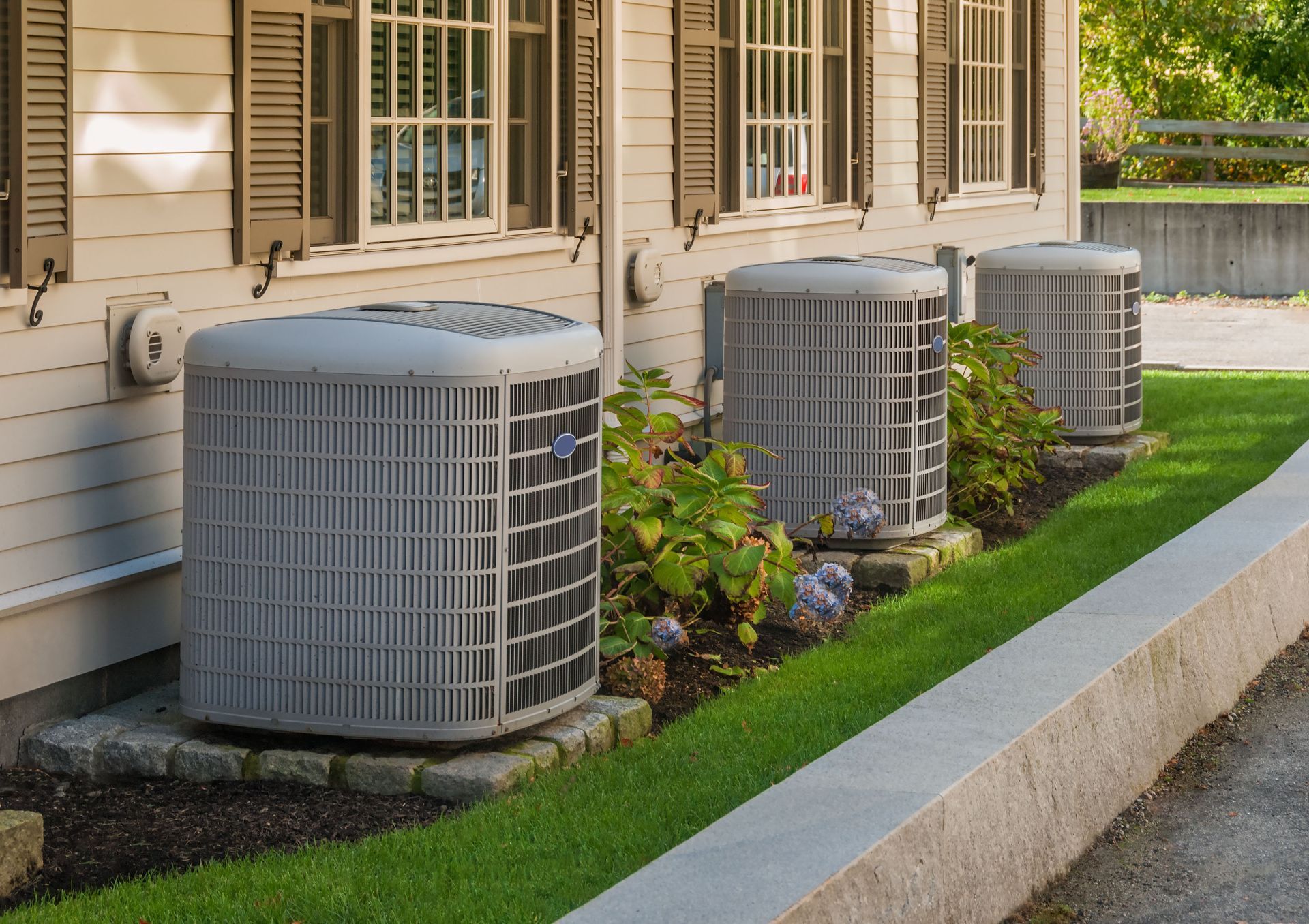
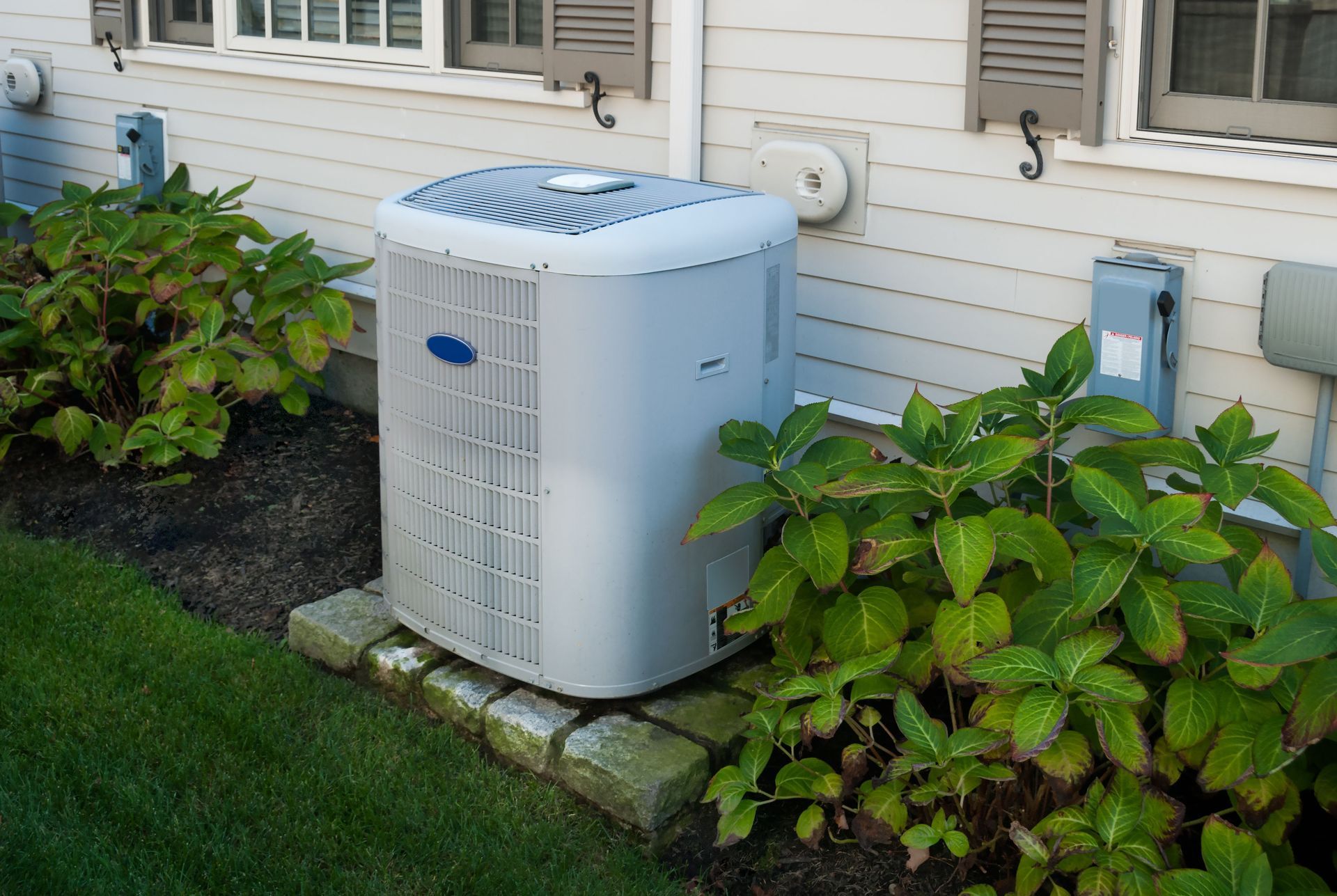
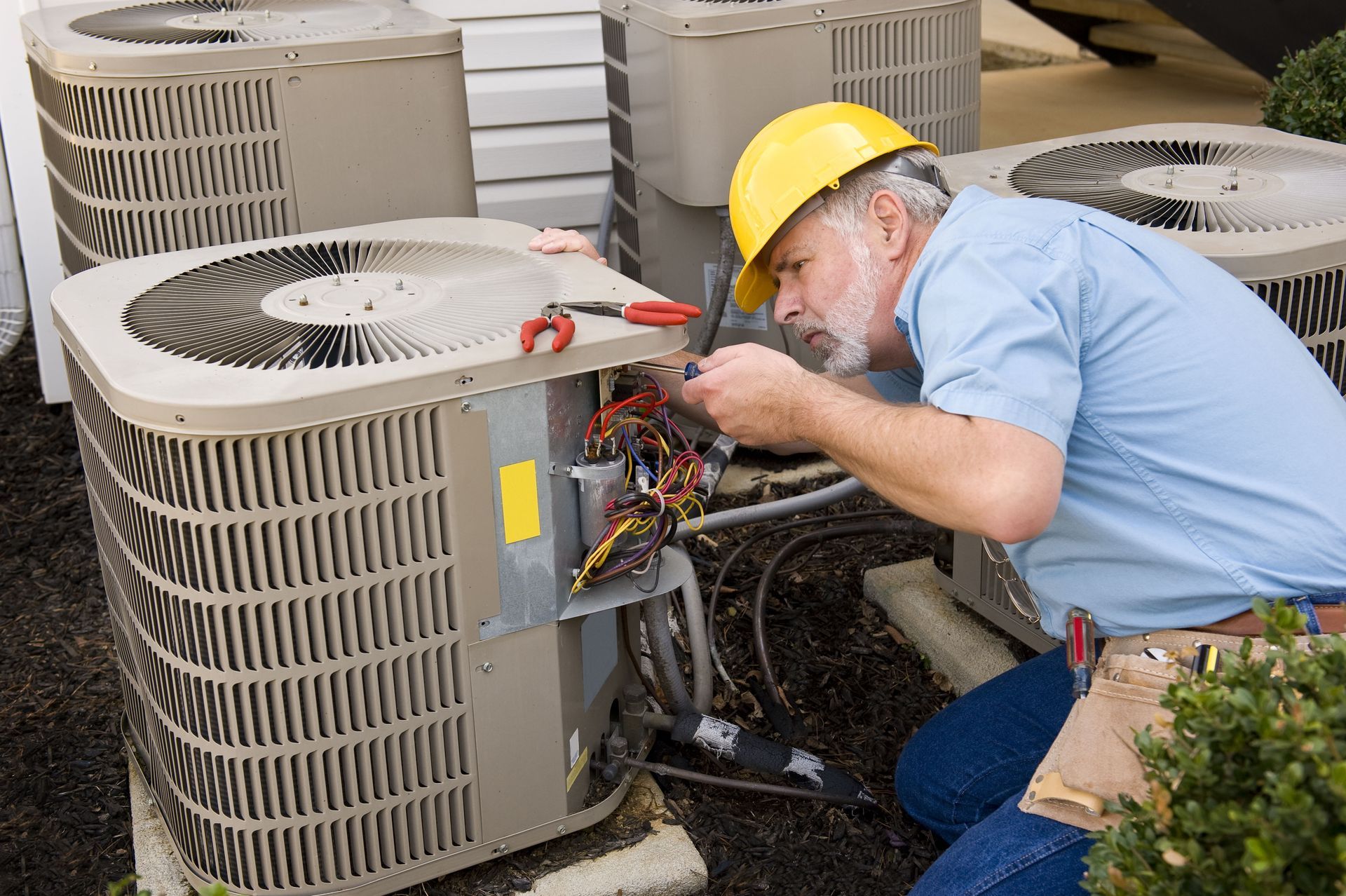
Your central air conditioning system is a complex piece of mechanical equipment that requires regular, professional care to function at its absolute best. Skipping annual tune-ups is a common homeowner mistake that frequently leads to decreased efficiency, noticeably higher operating costs, and eventual system breakdowns. When dirt, dust, and debris accumulate on the system's internal components, the entire unit has to work considerably harder to cool the air, drawing significantly more electricity in the process. This is precisely why having an experienced HVAC contractor perform a comprehensive inspection and professional cleaning before the peak summer season is absolutely crucial. During a routine maintenance visit, a trained technician will thoroughly clean the evaporator and condenser coils, check the refrigerant levels, inspect all electrical connections, and properly lubricate moving parts. Low refrigerant levels not only diminish cooling capacity but can also freeze the evaporator coil, potentially causing the entire system to shut down. This proactive maintenance approach not only optimizes the system's immediate energy efficiency but also extends its overall lifespan, preventing costly emergency repairs down the line.
Tip 3: Seal and Insulate Your Ductwork
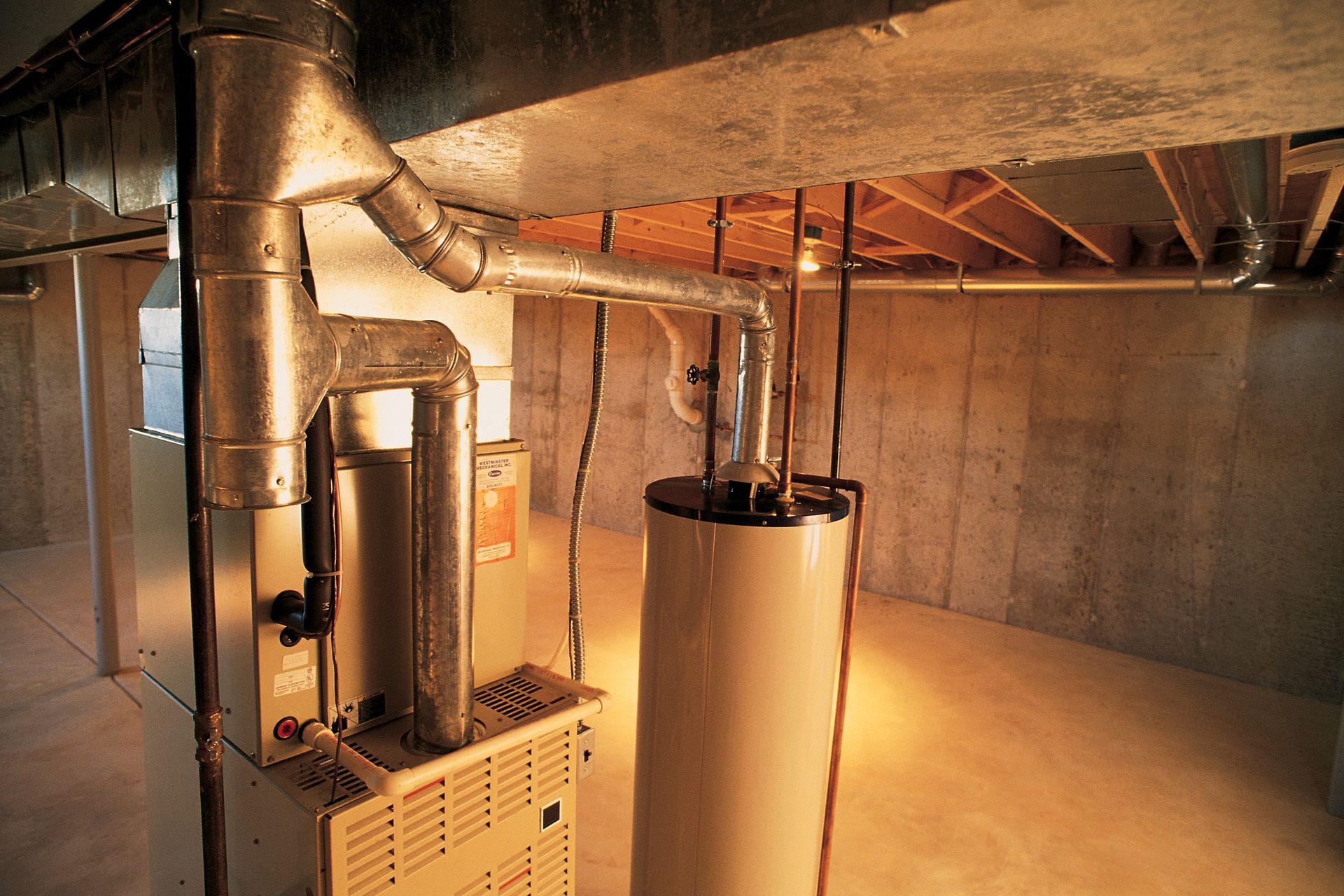
The ductwork hidden throughout your home serves as the vital delivery system for the conditioned air produced by your central cooling unit. Unfortunately, if these air ducts are poorly sealed or inadequately insulated, a massive portion of that precious cold air can readily escape into unconditioned spaces like attics, crawlspaces, or basements long before it ever reaches your living areas. This means your air conditioner must constantly run longer and harder just to achieve the desired temperature on your thermostat, simultaneously wasting energy and driving up your monthly bills. According to This Old House, sealing HVAC ducts can boost efficiency by up to 20%. That is a massive, immediate reduction in energy waste that directly translates to tangible financial savings for your family. Because residential ductwork is often hidden entirely behind walls and ceilings, identifying the exact location of leaks can be incredibly challenging for the average homeowner. Hiring a skilled HVAC contractor to conduct a thorough ductwork inspection and perform professional sealing with mastic or specialized foil tape is an incredibly wise investment that yields substantial long-term returns. Furthermore, adding proper insulation to ducts located in unconditioned spaces prevents the cooled air from warming up as it travels.
Tip 4: Change Your Air Filters Regularly
It may seem like an incredibly simple task, but regularly checking and changing your air conditioning system's air filter is one of the most critical steps in maintaining peak energy efficiency. The primary function of the indoor air filter is to trap circulating dust, pollen, pet dander, and other airborne particles, safely preventing them from entering the delicate internal system. Over time, the filter naturally becomes severely clogged with these trapped contaminants. A dirty, restricted air filter actively obstructs the natural flow of air, forcing the system's internal blower motor to work overtime just to pull air through the physical barrier. This artificially increased workload directly causes an immediate spike in electricity consumption and places undue strain on the entire system. Most industry experts highly recommend visually checking your filter every thirty days during the heavy cooling season and replacing it at least every one to three months. Homes with multiple indoor pets or individuals suffering from severe allergies may require much more frequent filter changes. If you notice that your home is not cooling as quickly as it used to, checking for a clogged filter is the first thing you should do. When in doubt about which filter size is best, ask your local HVAC contractor for a personalized recommendation.
Tip 5: Optimize Ceiling Fans and Window Treatments
Your central air conditioner definitely does not have to carry the heavy cooling burden all on its own. Utilizing other existing features in your home can significantly reduce the overall workload placed on your primary cooling system. Ceiling fans, for example, are incredibly energy-efficient appliances that can easily create a wonderful wind-chill effect, making a room feel several degrees cooler than the actual thermostat setting. By simply running your ceiling fans counterclockwise in the summer, you create a strong, continuous downdraft of refreshing air. This neat trick allows you to raise your thermostat setting by about four degrees without sacrificing any perceived comfort, leading to noticeable, immediate savings on your energy bill. However, remember that ceiling fans cool people, not empty rooms, so always remember to turn them off when you leave the space. Additionally, natural sunlight beaming straight through your windows acts just like a greenhouse, intensely trapping heat inside your home. Keeping your blinds, curtains, or shades completely closed during the hottest parts of the day can block a substantial amount of solar heat gain.
Tip 6: Consider Upgrading an Aging System
Even with the most meticulous professional maintenance and the absolute best daily energy-saving habits, an older central air conditioning system will eventually lose its cooling efficiency. From our experience, if your current unit is more than 10 to 15 years old, it was highly likely manufactured under outdated federal energy standards and simply cannot compete with the incredible high-efficiency models available today. An aging system often desperately struggles to maintain a consistent indoor temperature, routinely requires frustratingly frequent repairs, and inevitably consumes excessive amounts of electricity just to keep up with summer demands. While purchasing a brand-new air conditioning system is undoubtedly a significant upfront financial investment, the long-term energy savings often quickly justify the initial cost. Modern AC units boast much higher SEER (Seasonal Energy Efficiency Ratio) ratings, meaning they reliably produce substantially more cooling power while using a mere fraction of the electricity. When you reach the frustrating point where repair costs are steadily mounting, it is time to seriously consult a reputable HVAC contractor. An experienced HVAC contractor can perform a highly detailed load calculation to determine the exact size and mechanical specifications required for your home.
As a leading, fully licensed HVAC contractor, we are passionately dedicated to helping our residential clients stay perfectly cool without ever breaking the bank. Whether you desperately need a thorough seasonal tune-up, comprehensive professional duct sealing, or a complete, high-efficiency system replacement, our dedicated team of highly trained technicians is always ready to deliver top-tier service tailored to your specific needs. Do not let high, unpredictable energy bills ruin your summer experience this year. Contact Ken Muncy Air Conditioning today to securely schedule an appointment.